- Teacher: ESTHER KASYOKI
estherkasyoki.gnomio.com
-
Welcome to your new Gnomio site
Now, you are in control!
Moodle is an open-source Learning Management System (LMS) that provides educators with the tools and features to create and manage online courses. It allows educators to organize course materials, create quizzes and assignments, host discussion forums, and track student progress. Moodle is highly flexible and can be customized to meet the specific needs of different institutions and learning environments.
Moodle supports both synchronous and asynchronous learning environments, enabling educators to host live webinars, video conferences, and chat sessions, as well as providing a variety of tools that support self-paced learning, including videos, interactive quizzes, and discussion forums. The platform also integrates with other tools and systems, such as Google Apps and plagiarism detection software, to provide a seamless learning experience.
Moodle is widely used in educational institutions, including universities, K-12 schools, and corporate training programs. It is well-suited to online and blended learning environments and distance education programs. Additionally, Moodle's accessibility features make it a popular choice for learners with disabilities, ensuring that courses are inclusive and accessible to all learners.
The Moodle community is an active group of users, developers, and educators who contribute to the platform's development and improvement. The community provides support, resources, and documentation for users, as well as a forum for sharing ideas and best practices. Moodle releases regular updates and improvements, ensuring that the platform remains up-to-date with the latest technologies and best practices.
Links of interest:
(You can edit or remove this text)
Available courses

refers to the use of technology to make that unit operate with minimal human intervention. It relies on predefined instructions and control systems to execute tasks efficiently, accurately, and consistently.
- Teacher: ESTHER KASYOKI
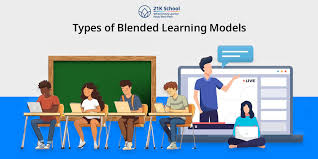
Flexible learning gives students control over their learning, including where, when, and how they study, while blended learning combines traditional in-person instruction with online digital tools and resources. Flexible learning can be less structured, whereas blended learning provides a more structured combination of both online and offline activities.
- Teacher: ESTHER KASYOKI

Education administration is the strategic management and coordination of educational institutions to achieve specific goals, involving the allocation and management of resources to support teaching and learning. This field includes functions like planning, organizing, directing, and evaluating systems, managing both human resources (students, staff) and material resources (finances, facilities), and ensuring the overall efficient and effective operation of the institution.
- Teacher: ESTHER KASYOKI